Spray Foam Insulation Pros & Cons for York Region Homes
Understanding the real advantages — and the honest drawbacks — before you invest.
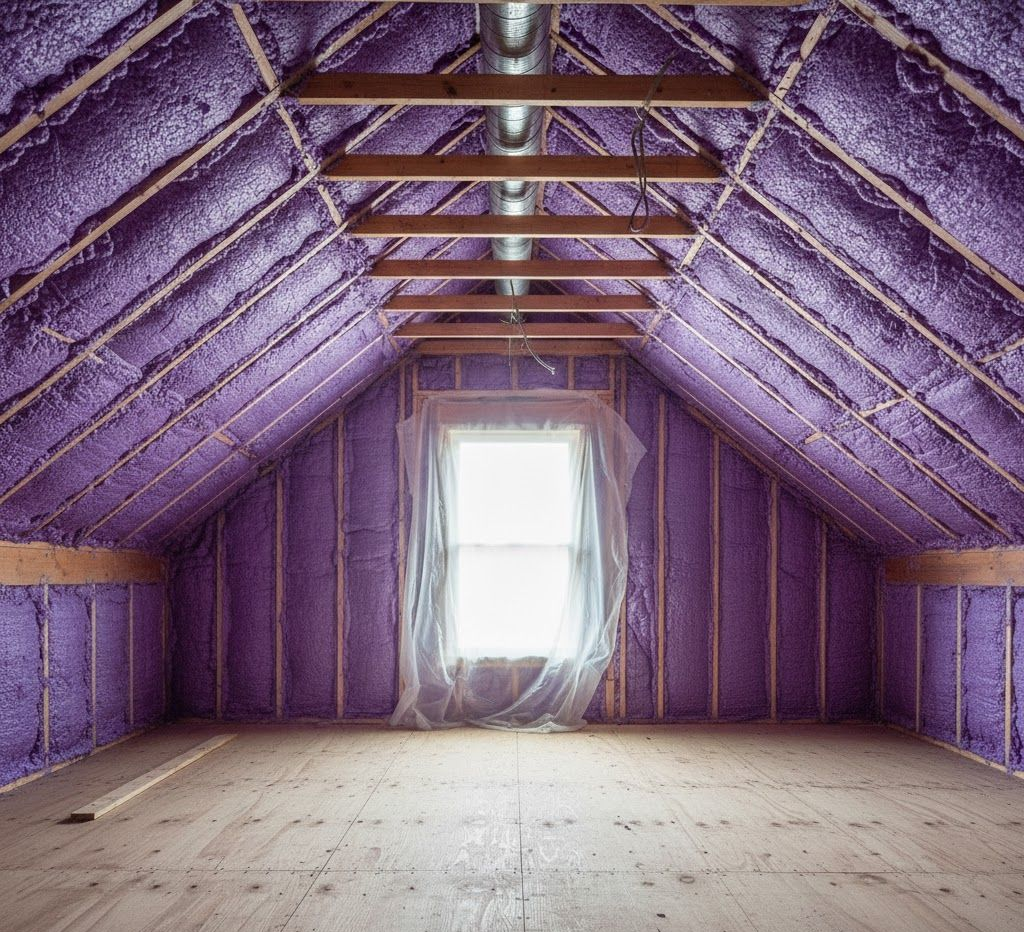
When York Region homeowners start exploring ways to improve energy efficiency, comfort, and long-term savings, spray foam insulation almost always comes up as a top contender. It’s modern, high-performing, and increasingly popular in both renovations and new builds across Newmarket, Aurora, Richmond Hill, Vaughan, and surrounding areas.
But with that popularity comes questions:
Is spray foam really worth the cost? Is it safe? Does it last? What are the drawbacks?
Below is an honest, easy-to-understand breakdown of the pros and cons of spray foam insulation, written specifically for homeowners in York Region’s climate and building standards.
**If you're curious about your home's insulation needs, Newmarket Spray Foam Insulation would be happy to answer any questions you have.
The Pros of Spray Foam Insulation
1. Superior Energy Efficiency (High R-Value Performance)
Spray foam delivers one of the highest R-values per inch of any insulation type. In a region like York Region—where winters are cold and heating costs add up—this performance can significantly reduce energy loss.
Closed-cell foam provides:
- A higher R-value per inch
- An air barrier
- A vapour barrier
This combination is extremely difficult to achieve with other insulation types, which is why so many homeowners see noticeable savings on their heating and cooling bills.
2. Exceptional Air Sealing
Air leakage is one of the biggest contributors to home heat loss. Gaps around rim joists, attic penetrations, basement headers, and exterior walls allow conditioned air to escape and outdoor air to leak in.
Spray foam expands on contact, filling:
- Gaps
- Cracks
- Hard-to-reach areas
- Unpredictable cavity shapes
This creates an airtight seal that makes your home feel instantly more comfortable and stable.
3. Moisture Resistance & Mould Protection
Closed-cell spray foam is highly resistant to moisture. For York Region homeowners dealing with humid summers, damp basements, or attic condensation, this can be a major benefit.
Less moisture means:
- Less mold risk
- Better structural protection
- Longer building lifespan
-
This makes spray foam especially valuable in basements, crawlspaces, garages, and attics.
4. Noise Reduction
Spray foam also has sound-absorbing qualities. If your home backs onto a busy street, has a rental suite, or you simply want a quieter home, foam insulation can noticeably reduce noise transfer between rooms and floors.
5. Long-Term Durability
Unlike fibreglass or cellulose, spray foam does not sag, settle, or degrade over time. A properly installed application can last the lifetime of your home, making it a one-time investment instead of a recurring expense.
6. Enhances Home Value
Energy efficiency is one of the top selling points for today’s buyers. A well-insulated, airtight home can boost resale appeal and reduce long-term operating costs.
The Cons of Spray Foam Insulation
Even though the benefits are impressive, spray foam isn’t perfect for every homeowner or every budget. Here are the drawbacks you should know before deciding.
1. Higher Upfront Cost
One of the biggest objections we hear is cost. Spray foam is more expensive than fibreglass or cellulose—sometimes two to three times more.
However, this cost often pays itself back through:
- Lower monthly heating and cooling bills
- Fewer drafts
- Better comfort
- Better moisture control
- Increased home resale value
Still, if you’re working with a tight budget or insulating a very large space, cost may be a deciding factor.
2. Must Be Installed by Certified Professionals
DIY kits exist—but they can’t match the quality, safety, or performance of a trained installer. Proper temperature, mixing, and thickness matter a lot. Unlike batts or blown-in insulation, trained technicians using specialized equipment are necessary.
An inexperienced installer can cause:
- Foam over-expansion
- Voids or inconsistent coverage
- Poor adhesion
- Under- or over-sprayed areas
Poor installation can lead to:
- Off-gassing issues
- Uneven coverage
- Reduced energy savings
Hiring a certified team ensures the foam is applied safely and to the manufacturer's standards.
3. Health & Ventilation Considerations During Installation
One of the most common homeowner concerns involves safety. Here’s the truth:
Once cured, spray foam is inert and safe. However, during installation and curing, the home must be properly ventilated, and installers must wear protective equipment.
A reputable contractor will:
- Ventilate the workspace
- Use protective gear
- Follow the manufacturer's curing guidelines
- Advise you when it’s safe to re-enter the area
These precautions protect both your home and your family.
4. May Not Be Needed Everywhere
Not every part of your home requires spray foam. For some walls or interior rooms, batt insulation might make more sense. A proper assessment helps ensure you’re only paying for what you actually need.
5. Difficult to Remove Once Installed
Spray foam is permanent. If you ever need to access electrical, plumbing, or framing, it can be harder to remove compared to fibreglass batts.
However, for most homeowners, this isn’t an issue—especially since spray foam is typically installed in areas rarely accessed, such as:
- Attics
- Rim joists
- Exterior walls
- Crawlspaces
- Garage ceilings
- Basements
If removability is a priority, discuss it with your installer before the project begins.
6. Not Always Ideal for Historic or Very Old Homes
Some older York Region homes, especially those with complex vapor pathways or unique wall structures, may require a specific insulation approach. Spray foam may still be possible—but only after a professional assessment to avoid moisture trapping.
Is Spray Foam Insulation Right for Your York Region Home?
Taking a balanced look at the pros and cons of spray foam insulation, the decision ultimately depends on your goals:
✔ Want lower energy bills?
✔ Want to eliminate drafts or cold floors?
✔ Want long-lasting insulation with moisture protection?
✔ Want to increase home comfort and value?
If yes, spray foam is likely a smart investment for your home.
If you're still unsure, a quick inspection can help determine the exact areas where spray foam will offer the most value—without overspending.
Get a Free, No-Pressure Spray Foam Estimate
If you’re considering spray foam insulation and want an honest opinion, we’d be happy to assess your home, explain your options, and provide a clear quote.
Whether your priority is energy savings, comfort, moisture control, or long-term value, our team can help you make the best choice for your home. Reach out and let's chat.
Request a Free No Obligation
Quote From Us
We're excited to hear from you! Submit your request, and we'll swing back your way shortly! Can't wait to connect!